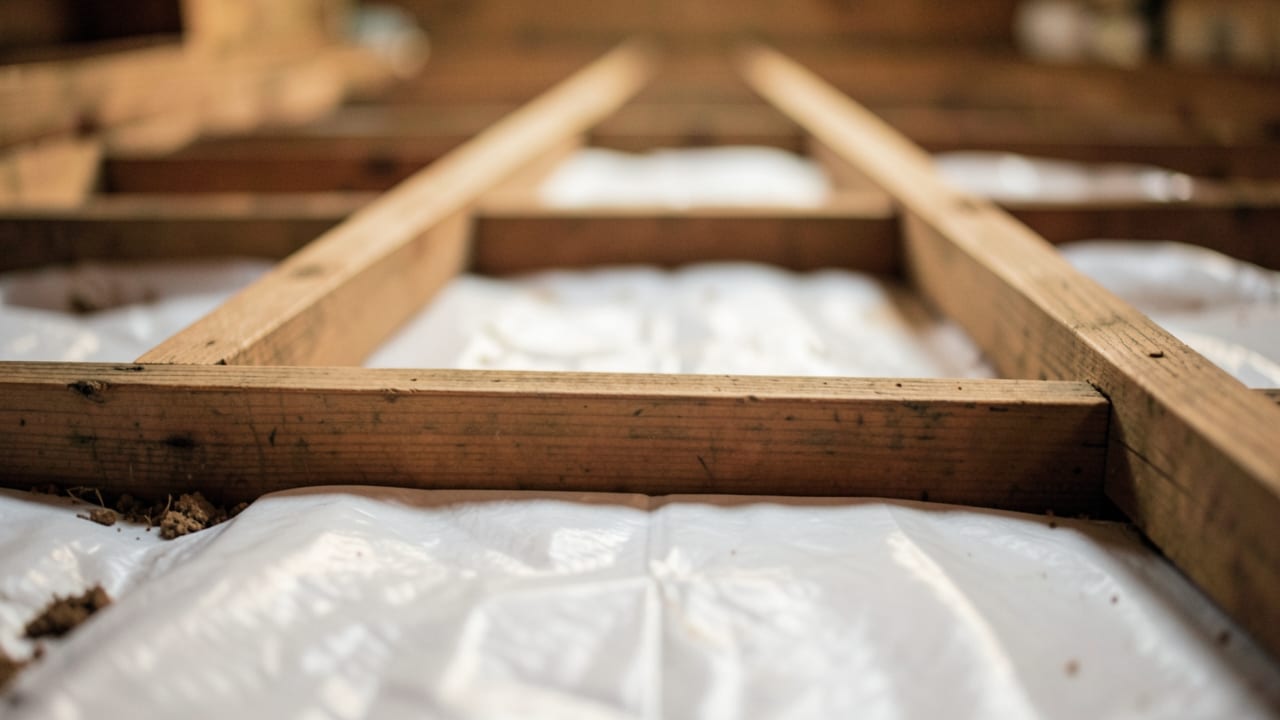
Crawl Space & Basement Mold Remediation
Crawl space and basement mold remediation in Fillmore, CA addresses the two areas of a property most prone to trapped, unnoticed moisture.
Fillmore homeowners trust our crawl space and basement mold remediation to stop hidden moisture damage. These areas are prone to mold due to ground proximity, poor airflow, and infrequent checks. We address the root cause and restore safe, dry spaces under your home.
Why Crawl Spaces & Basements Grow Mold Unnoticed
Crawl spaces and basements are the most common mold hotspots in Fillmore homes. Both sit near ground moisture, receive less ventilation than living areas, and are rarely inspected. A dirt-floor crawl space lets ground moisture evaporate upward, while an unfinished basement with stone or block walls wicks groundwater through the masonry.
We also handle New Construction Mold Remediation and Hotel Mold Remediation for Fillmore properties.
Without intervention, these conditions create a sustained, low-level moisture source ideal for mold growth. Unlike kitchens or bathrooms, these spaces lack regular visibility, allowing mold to spread undetected until it affects indoor air quality or structural integrity.
Signs Your Crawl Space or Basement Needs Mold Remediation
- Musty odors originating from below the first floor or basement
- Visible mold growth on joists, subflooring, or foundation walls
- Peeling paint or efflorescence (white mineral deposits) on basement walls
- Increased humidity or condensation in enclosed areas
- Allergy symptoms that improve when away from home
Preventing Recurrence: The Role of Vapor Barriers & Encapsulation
Removing mold without addressing the moisture source often leads to regrowth. A vapor barrier laid across a crawl space floor blocks ground moisture evaporation at its origin. Full encapsulation takes this further by sealing the entire space with a wall-to-wall liner, often paired with controlled ventilation or a dehumidifier for long-term protection.
In basements, interior or exterior waterproofing combined with proper drainage can prevent moisture wicking through foundation walls. These solutions are tailored to your home’s construction and local conditions in Fillmore.
| Solution | Best For | Longevity |
|---|---|---|
| Vapor Barrier | Dirt-floor crawl spaces | 5-10 years with proper installation |
| Full Encapsulation | High-moisture crawl spaces | 15+ years with maintenance |
| Interior Waterproofing | Unfinished basements with groundwater seepage | 10-20 years |
| Dehumidifier | Enclosed crawl spaces or basements | Requires ongoing operation |
How Crawl Space & Basement Mold Remediation Works
Our process addresses both the mold and its moisture source for lasting results.
- 1Inspection & Moisture Assessment
We evaluate the extent of mold growth, identify moisture sources, and determine if vapor barriers or encapsulation are needed. This step includes air and surface testing to confirm mold presence.
- 2Containment & Protection
Using plastic sheeting and negative air pressure, we isolate the affected area to prevent mold spores from spreading during removal. HEPA filtration captures airborne particles.
- 3Removal & Treatment
Contaminated materials like insulation or drywall are safely removed. Framing and surfaces are cleaned with antimicrobial solutions to kill remaining mold spores.
- 4Moisture Control Installation
We install vapor barriers, encapsulation systems, or dehumidifiers to address the root cause of moisture, ensuring mold won’t return.
- 5Final Verification
A post-remediation inspection confirms the area is mold-free and moisture levels are within safe ranges. We provide documentation for your records.
Frequently Asked Questions
How much does crawl space or basement mold remediation cost in Fillmore?
Pricing varies based on square footage, access difficulty, and whether encapsulation is included. A standard crawl space remediation typically starts around $2,500, while full encapsulation can add $1,500–$5,000. Call for an inspection and firm quote.
Can I just clean the mold myself?
Surface cleaning may remove visible mold but won’t address the underlying moisture issue or airborne spores. Without proper containment and HEPA filtration, you risk spreading spores to other areas. Professional remediation ensures safe, thorough removal and prevention.
How long does the remediation process take?
Most crawl space or basement remediation projects take 1–3 days, depending on the size and complexity. Encapsulation or additional moisture control measures may extend the timeline slightly.
Will mold in my crawl space or basement affect my family’s health?
Yes. Mold spores can travel through your home’s HVAC system or gaps in flooring, leading to allergies, respiratory issues, or other health concerns. Addressing the problem early protects your family and your home’s structure.
See Thousand Oaks, CA for more, or explore everything Fillmore homeowners can book with us from start to finish for our complete lineup.
Ready to get started?
Talk to a local mold remediation pro in Fillmore — get a written quote.
Other Mold Remediation Services in Fillmore
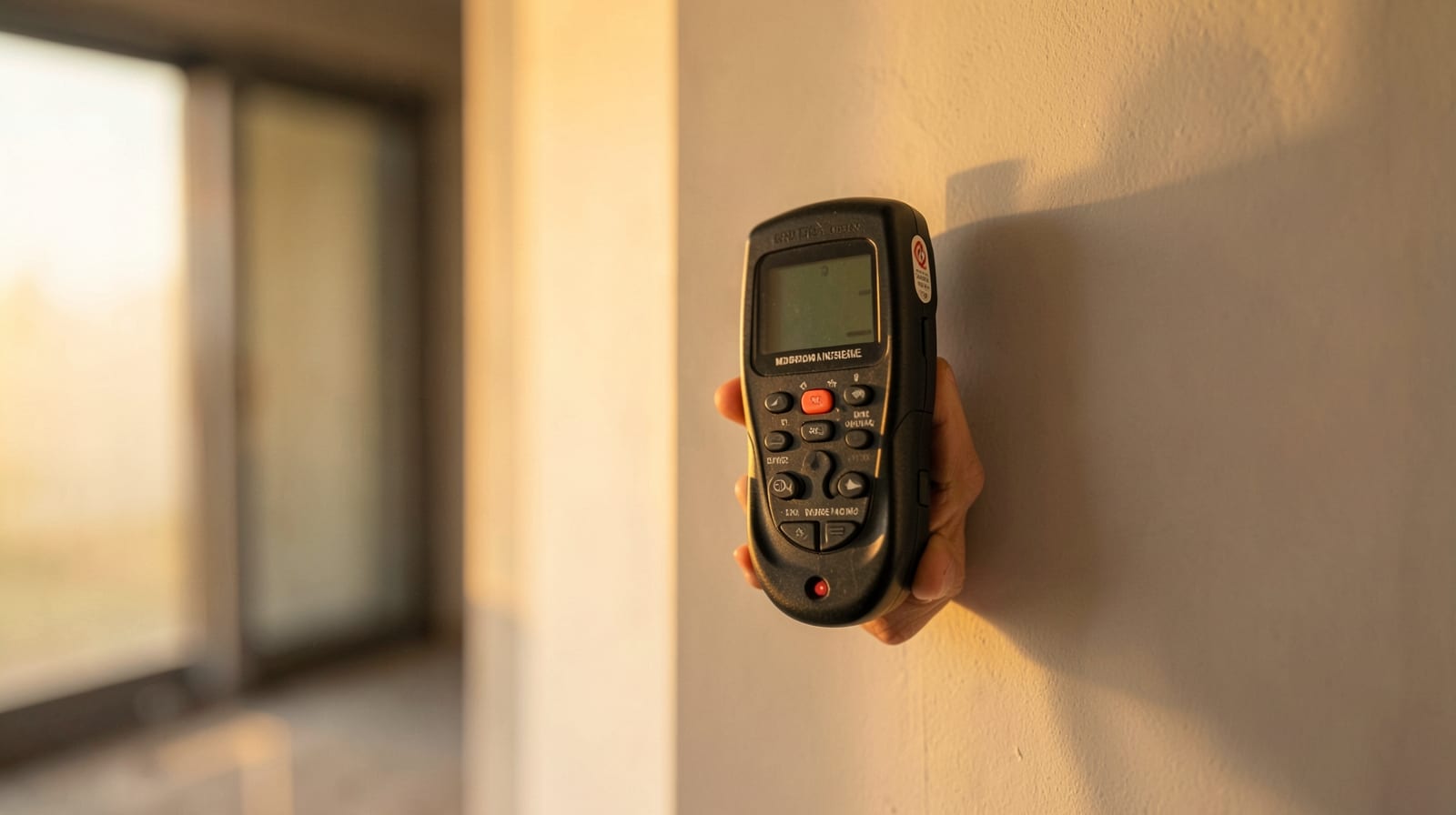
New Construction Mold Remediation in Fillmore, CA
Professional mold removal and prevention in newly built homes to ensure safe, clean living spaces.
Learn More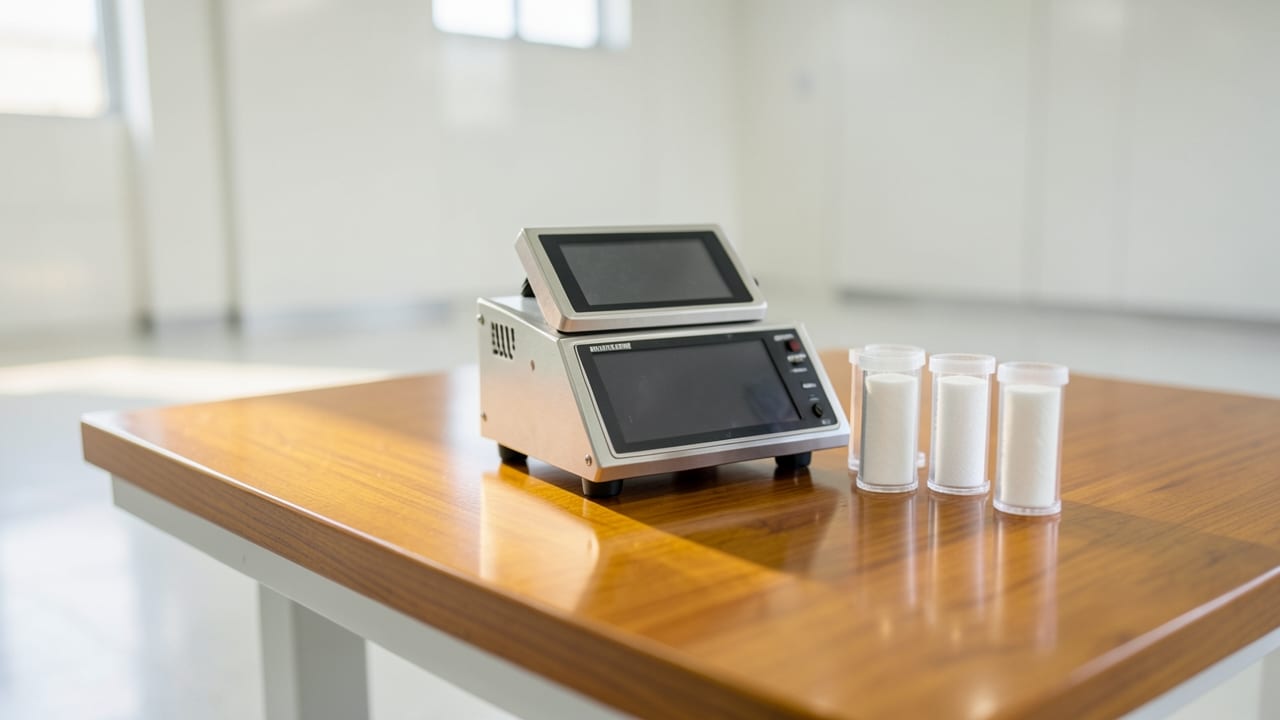
Hotel Mold Remediation in Fillmore, CA
Professional removal and treatment of mold growth in hotel properties to restore safe, clean environments.
Learn More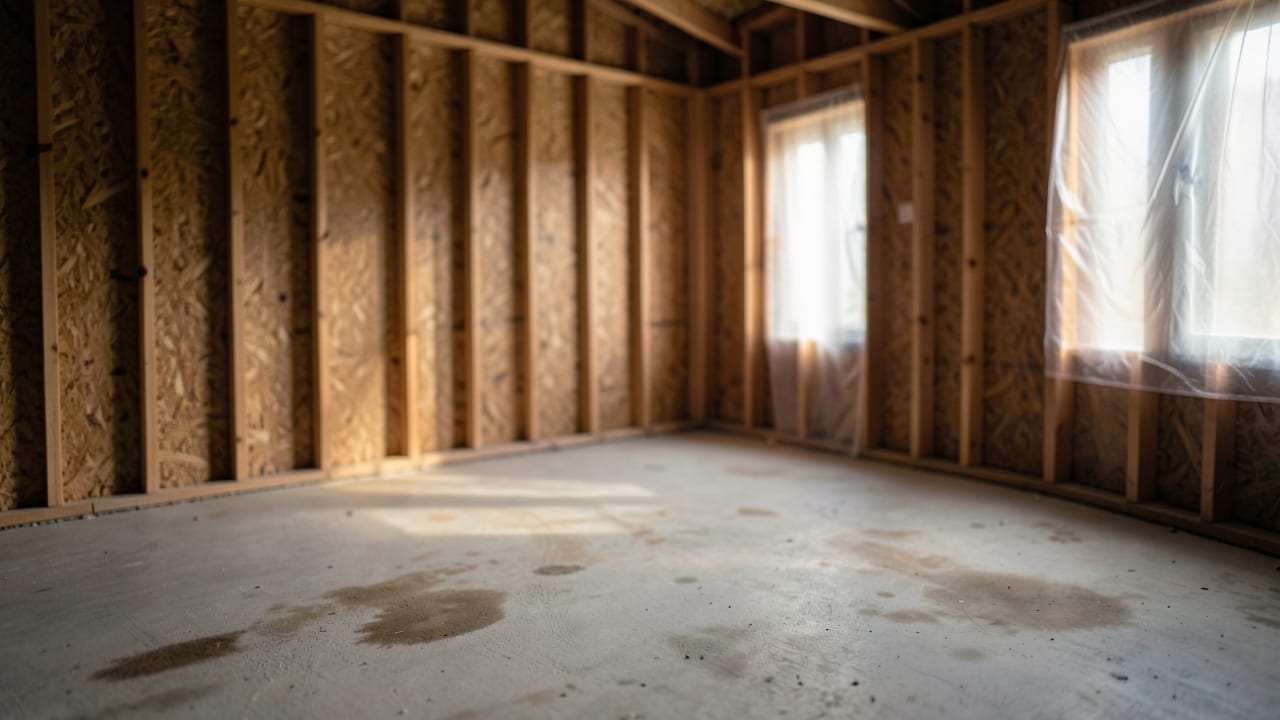
Fire Smoke Mold Remediation in Fillmore, CA
Professional cleanup and restoration of fire, smoke, and mold damage in homes.
Learn More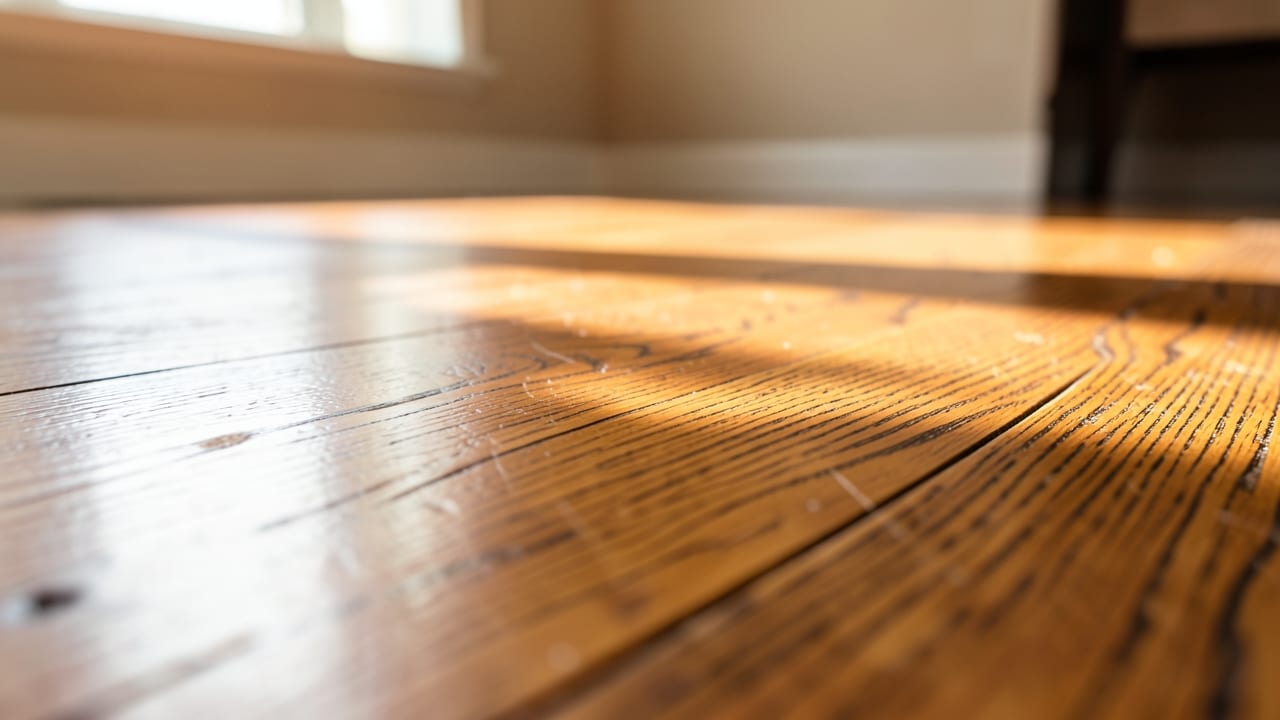
Salt Air Mold Remediation in Fillmore, CA
Professional mold assessment, containment, removal, and prevention in affected areas of the home.
Learn More Storm Damage Mold Cleanup in Fillmore, CA
Professional cleanup and remediation of mold caused by storm-related water damage in homes.
Learn More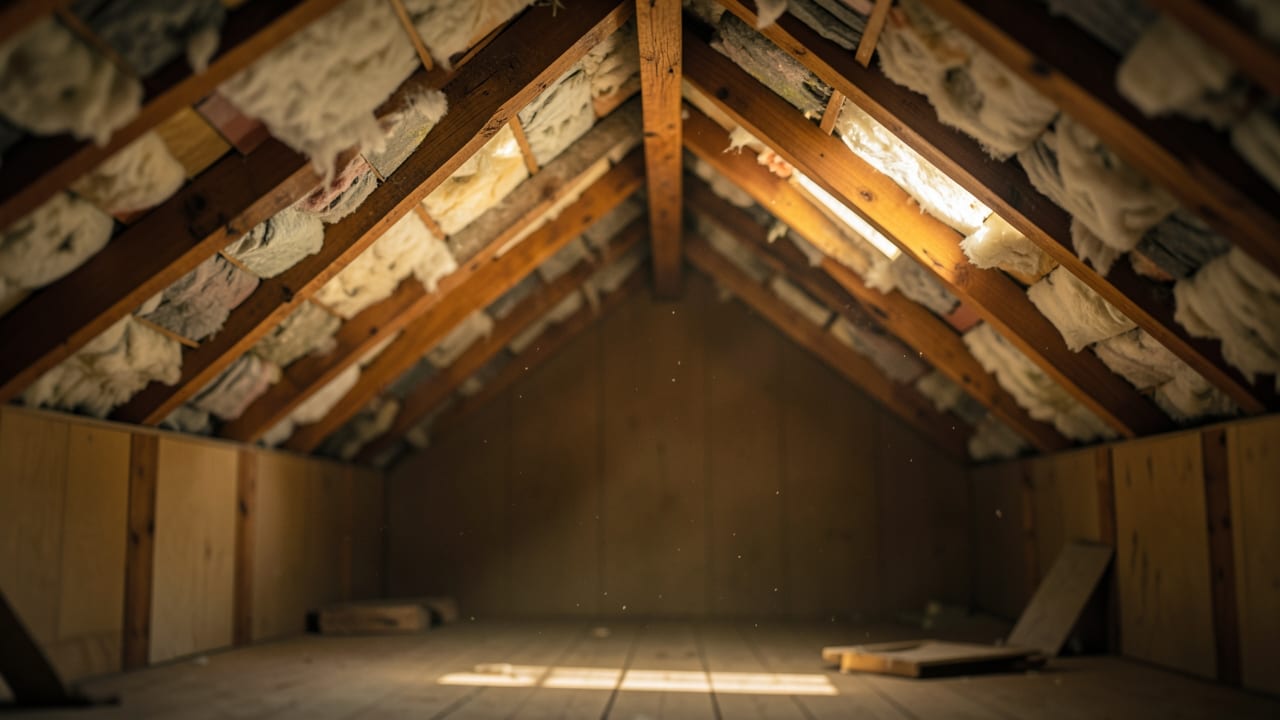
Pre-Winter Mold Prevention in Fillmore, CA
Pre-winter mold prevention involves inspection and treatment to stop mold growth before cold weather.
Learn MoreCommon Questions About Mold Remediation in Fillmore
Everything you need to know about mold remediation services in Fillmore
How much does Crawl Space & Basement Mold Remediation typically cost in Fillmore, CA?
Does coastal humidity around Fillmore, CA change how mold risk is assessed?
Is it safe to stay in the home during mold remediation?
Can small mold problems be handled without hiring anyone?
What's the actual difference between mold removal and mold remediation?
Is a final clearance test part of a typical mold remediation job?
Need Mold Remediation in Fillmore?
Connect with local providers in Fillmore for a detailed quote.
⏰ We answer your call • Serving all of Fillmore and surrounding areas