Mold vs. Mildew: Key Differences and How to Spot Them in Fillmore Homes
Mold and mildew are both fungi that thrive in damp environments, but their impact on your home—and your health—couldn’t be more different. In Fillmore’s Mediterranean climate, where coastal humidity meets inland dry spells, knowing which is which helps you act fast before a small issue turns into a full-blown remediation project.
What’s the Difference Between Mold and Mildew?
Mildew is a surface-level fungus, typically white or gray, that grows in flat, powdery patches. It’s common on shower grout, window sills, and outdoor decks after Fillmore’s occasional heavy rains.
Mold, however, penetrates deeper into materials like drywall, wood, or insulation. It appears fuzzy, slimy, or discolored—black, green, or even pink—and often signals a hidden moisture problem.
While mildew is mostly an eyesore, mold can compromise structural integrity and pose serious health risks, especially in poorly ventilated attics or crawl spaces common in older Fillmore homes.
Health Risks: Why Mold Demands Immediate Attention
Mildew may trigger mild allergies, but mold releases mycotoxins and spores that can cause respiratory issues, headaches, and skin irritation. Long-term exposure is particularly risky for children, the elderly, or those with compromised immune systems.
In Ventura County, where wildfire smoke can already stress lungs, indoor mold adds another layer of danger. If you notice persistent coughing or musty odors, it’s time for professional mold testing.
Mold behind drywall or under flooring can spread undetected for months. If you see warped walls or smell a musty odor in Santa Paula or Piru homes, assume mold until proven otherwise.
Where to Look: Common Hotspots in Local Homes
Fillmore’s older homes often have crawl spaces with poor drainage, creating a perfect mold breeding ground. Attics with insufficient ventilation trap moisture, especially after winter rains.
Bathrooms, kitchens, and laundry rooms are obvious culprits, but don’t overlook HVAC systems. Mold in ducts can circulate spores throughout your home in Moorpark or Ojai.
Basements and garages in Somis or Saticoy may also harbor mold if water intrusion goes unchecked. Even newer homes in Simi Valley or Thousand Oaks aren’t immune if water damage isn’t addressed quickly.
Mold vs. Mildew: Side-by-Side Comparison
Understanding the key differences helps you decide whether a DIY fix will suffice or if you need professional remediation.
| Feature | Mildew | Mold |
|---|---|---|
| Appearance | Powdery, flat, white/gray | Fuzzy, slimy, black/green/pink |
| Growth Depth | Surface-level | Penetrates materials |
| Health Risks | Mild allergies | Respiratory issues, mycotoxins |
| Common Locations | Shower grout, window sills, decks | Drywall, insulation, crawl spaces, attics, HVAC systems |
| Ease of Removal | Scrub with bleach or vinegar | Requires professional remediation for large or hidden infestations |
| Prevention | Improve ventilation, reduce humidity | Fix leaks, control moisture, use dehumidifiers |
Can You Clean It Yourself?
For mildew, a simple scrub with a bleach solution (1 cup bleach to 1 gallon water) or white vinegar often does the trick. Always wear gloves and a mask, and ensure the area is well-ventilated.
Small, surface-level mold (under 10 square feet) on non-porous materials like tile or glass can sometimes be cleaned with commercial mold removers. But porous materials like drywall or ceiling tiles usually need removal and replacement.
If mold covers a large area, is in your HVAC system, or keeps returning, it’s a sign of a deeper issue. In these cases, professional mold remediation is the only safe, long-term solution.
Bleach only kills surface mold on non-porous materials. For porous surfaces or large infestations in Fillmore, Santa Paula, or Ventura, professional tools like HEPA vacuums and antimicrobial treatments are necessary.
When to Call a Professional
If you suspect mold but can’t see it, or if you’ve had recent water damage (from leaks, floods, or even high humidity), it’s time for a mold inspection. Professionals use moisture meters, thermal imaging, and air quality testing to detect hidden mold.
In commercial properties or multi-unit buildings in Camarillo or Oxnard, mold can spread quickly between units. Commercial mold remediation requires specialized containment and air filtration to prevent cross-contamination.
After remediation, consider mold prevention services like moisture control systems or crawl space encapsulation to keep your home in Val Verde or Casa Conejo safe long-term.
Signs You Need a Pro
- Mold covers more than 10 square feet
- Mold returns after cleaning
- You smell a musty odor but can’t find the source
- Recent water damage (leaks, flooding, high humidity)
- Health symptoms improve when you leave the house
- Mold is in HVAC systems, crawl spaces, or attics
Preventing Mold and Mildew in Fillmore’s Climate
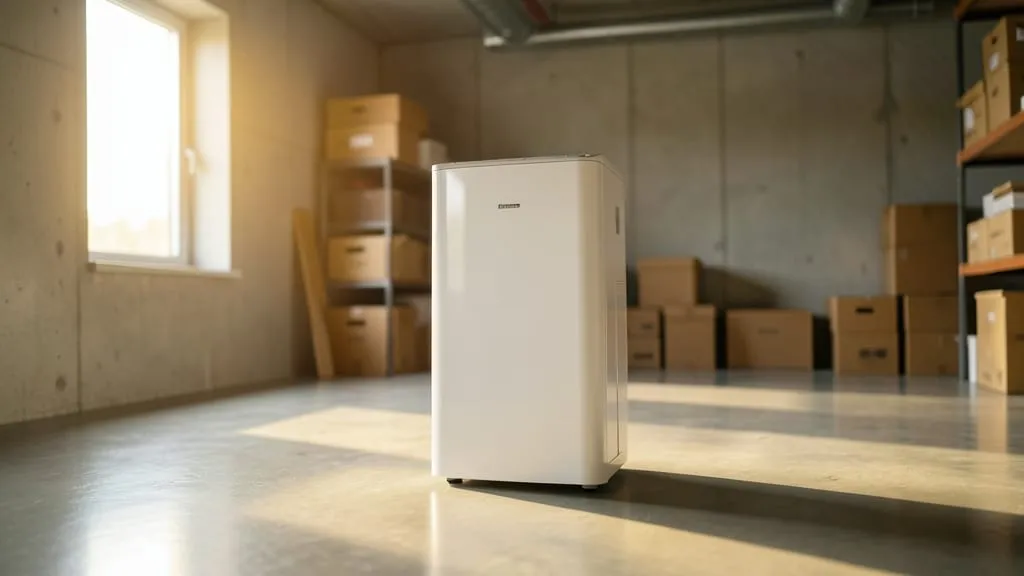
Fillmore’s mix of dry summers and wet winters means moisture control is key. Use dehumidifiers in basements and crawl spaces, especially during the rainy season.
Ensure proper ventilation in bathrooms, kitchens, and laundry rooms. Exhaust fans should vent outside, not into attics. In older homes in Bardsdale or Hasley Canyon, upgrading ventilation can prevent long-term issues.
Regularly inspect roofs, gutters, and downspouts for leaks. In areas like Oak Park or Westlake Village, where homes may sit on slopes, drainage away from the foundation is critical to avoid water intrusion.
The Remediation Process: What to Expect
Professional mold remediation starts with containment to prevent spores from spreading. HEPA air scrubbers and negative air pressure systems isolate the affected area, whether it’s an attic in Santa Rosa Valley or a basement in El Rio.
Next, our team removes contaminated materials (drywall, insulation, carpeting) and cleans salvageable surfaces with antimicrobial treatments. For severe cases, we may use encapsulation to seal off crawl spaces or attics.
Finally, we address the root cause—whether it’s a leaky pipe in Castaic, poor ventilation in Lake Sherwood, or high humidity in Bell Canyon—so the mold doesn’t return.
How to Test for Hidden Mold in Your Home
If you suspect mold but can’t see it, follow these steps to investigate further before calling in the experts.
- 1Check for Musty Odors
Mold often has a distinct, earthy smell. If a room or area smells musty, especially after rain or high humidity, mold may be present.
- 2Look for Water Damage
Stains on ceilings, walls, or floors indicate past or current leaks. Even small discolorations can signal hidden mold.
- 3Inspect Hidden Areas
Use a flashlight to check behind furniture, under sinks, and in crawl spaces or attics. Pay special attention to areas near pipes or windows.
- 4Use a Moisture Meter
These inexpensive tools measure moisture levels in materials. Readings above 15-20% suggest a moisture problem that could lead to mold.
- 5Consider Professional Testing
If you’re still unsure, mold testing and air quality testing can confirm the presence and type of mold. This is especially important for homes in high-risk areas like Santa Susana or Hidden Hills.
Frequently Asked Questions
Is black mold more dangerous than other types of mold in Fillmore homes?
Black mold (Stachybotrys) is often more toxic due to its mycotoxin production, but any mold can pose health risks if left unchecked. The color alone doesn’t determine toxicity—professional mold testing is the only way to know for sure.
Can mildew turn into mold?
Mildew itself doesn’t turn into mold, but if left untreated, the same moist conditions that allow mildew to grow can also foster mold. Addressing moisture issues early prevents both from spreading.
How do I know if my Fillmore home’s HVAC system has mold?
Signs include a musty smell when the system runs, visible mold around vents, or increased allergy symptoms indoors. HVAC mold remediation requires professional cleaning to avoid spreading spores through your home.
Does homeowners insurance cover mold remediation?
Coverage varies by policy and cause. Most standard policies don’t cover mold unless it’s a result of a covered peril, like a burst pipe. Always check with your insurer and document the damage thoroughly.
What’s the difference between mold testing and mold inspection?
Mold inspection is a visual and physical assessment of your home for signs of mold and moisture. Mold testing involves collecting air or surface samples to identify the type and concentration of mold spores. Both are often used together for a complete picture.
Are there any natural ways to prevent mold in my home?
Yes. Improving airflow with fans or open windows, using dehumidifiers, and cleaning with vinegar or hydrogen peroxide can help. However, for severe or recurring issues, professional moisture control and remediation are necessary.