Understanding the Link Between Allergies and Black Mold in Fillmore Homes
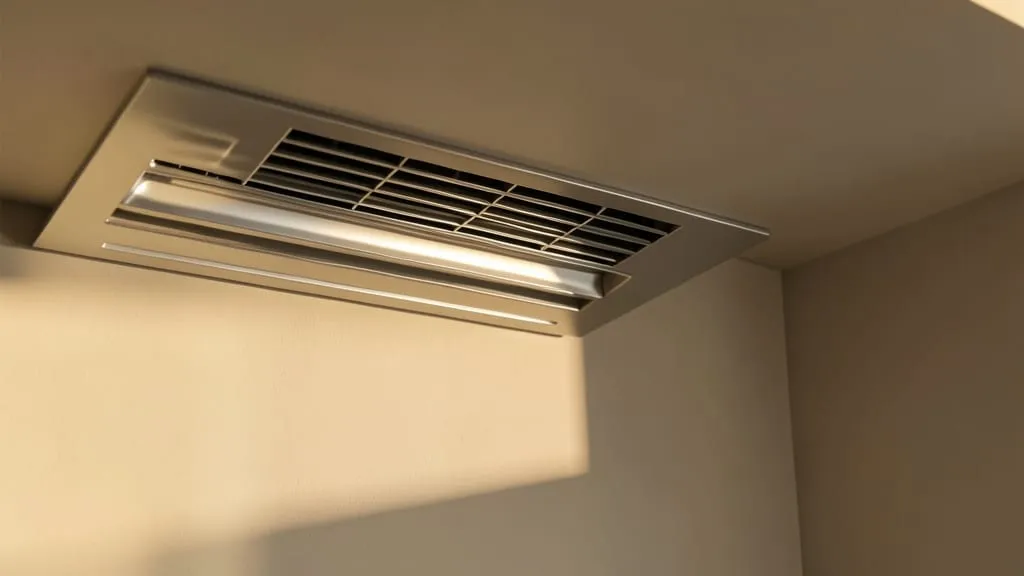
Persistent allergies with no clear cause often trace back to hidden black mold. In our region’s mild, damp winters and dry summers, Stachybotrys and other toxigenic molds thrive in undetected moisture pockets. We’ve seen firsthand how addressing these infestations relieves chronic symptoms for Fillmore families.
What Is Black Mold and Why Does It Trigger Allergies?
Black mold—most commonly Stachybotrys chartarum—releases microscopic spores and mycotoxins into the air. These particles irritate mucous membranes, triggering immune responses in sensitive individuals.
Unlike pollen or dust, mold spores can persist indoors year-round, especially in areas like Santa Paula or Piru where older homes and agricultural structures retain moisture. The body reacts to these foreign invaders with histamines, causing classic allergy symptoms.
Common Allergy Symptoms Linked to Black Mold Exposure
Chronic sneezing, itchy eyes, and nasal congestion often worsen indoors but improve when you leave the house. These are red flags for mold-related allergies.
More severe reactions include skin rashes, throat irritation, or asthma-like wheezing. In children and the elderly, prolonged exposure can lead to sinus infections or respiratory distress.
Headaches, fatigue, and brain fog are less obvious but frequently reported. These symptoms often overlap with other conditions, making mold a silent culprit.
Mold-Related Allergy Red Flags
- Symptoms improve when away from home
- Worsening at night or in specific rooms
- Musty odors in living spaces
- Visible mold or past water damage
- Unexplained skin or respiratory flare-ups
Where Black Mold Hides in Fillmore and Nearby Areas
Attics and crawl spaces are prime zones due to poor ventilation and roof leaks, especially after heavy rains common in Ventura County. We’ve remediated countless attics in Ojai and Moorpark where insulation traps moisture against wood.
Basements and under-sink cabinets in older Fillmore homes often harbor mold behind drywall or under flooring. Even HVAC systems in Santa Rosa Valley or Simi Valley can distribute spores if ducts or coils stay damp.
Bathrooms, laundry rooms, and around windows with condensation are other hotspots. Mold thrives on cellulose materials like drywall, carpet backing, and wood—common in most local construction.
How Black Mold Differs from Other Household Molds
Not all dark mold is Stachybotrys. Alternaria, Cladosporium, and Aspergillus are also common and allergenic. But black mold’s mycotoxins make it particularly potent for triggering severe reactions.
| Mold Type | Color/Appearance | Allergenic Potential | Toxicity |
|---|---|---|---|
| Stachybotrys (Black Mold) | Dark green/black, slimy | High | High (mycotoxins) |
| Alternaria | Dark green/brown, fuzzy | High | Moderate |
| Cladosporium | Black/green, powdery | Moderate | Low |
| Aspergillus | Yellow/green, powdery | Moderate to High | Moderate (some strains) |
| Penicillium | Blue/green, fuzzy | Moderate | Low to Moderate |
The Role of Humidity and Water Damage in Mold Growth
Mold needs three things: moisture, organic material, and time. In Fillmore’s climate, humidity spikes after coastal fog or winter storms create ideal conditions. Even small leaks in Piru or Bardsdale homes can go unnoticed until mold spreads.
Water damage from burst pipes, roof leaks, or poor drainage is a leading cause. We often find mold in Santa Susana or Lake Sherwood properties after slow leaks behind walls or under flooring.
Poor ventilation in bathrooms, kitchens, or crawl spaces traps humidity. Without dehumidifiers or exhaust fans, moisture lingers, feeding mold colonies.
Mold can grow within 24-48 hours of water exposure. Even dried-out areas may still harbor spores, requiring professional testing.
When to Call a Professional for Mold Inspection and Testing
If you suspect mold but can’t locate the source, a professional inspection is critical. We use thermal imaging and moisture meters to detect hidden problems in walls, ceilings, or ductwork.
Air quality testing identifies spore counts and types, confirming whether black mold is present. This is especially important in commercial spaces or multi-unit buildings in Camarillo or Thousand Oaks.
DIY test kits can indicate mold presence but lack the precision of lab analysis. For peace of mind—and accurate remediation—expert testing is the gold standard.
How Remediation Stops Allergies at the Source
Remediation isn’t just cleaning visible mold. It involves containment to prevent spore spread, HEPA filtration, and removing contaminated materials. In Fillmore, we often address attic or crawl space mold with full encapsulation and moisture barriers.
Antimicrobial treatments ensure remaining surfaces are mold-free. For severe cases in areas like Val Verde or Casa Conejo, we may recommend post-remediation testing to confirm success.
Preventing recurrence is key. We advise on dehumidifiers, improved ventilation, and regular inspections—especially in high-risk zones like basements or HVAC systems.
Install moisture barriers in crawl spaces and use exhaust fans in bathrooms. Fix leaks immediately and monitor humidity levels below 50%.
Long-Term Health and Home Protection Strategies
Addressing mold early prevents structural damage and health issues. In Ventura or Oxnard, where coastal humidity lingers, proactive moisture control is a game-changer.
Regular HVAC maintenance, including duct cleaning and coil inspections, reduces spore circulation. For homes in Hidden Hills or Bell Canyon, where luxury properties often have complex systems, this is non-negotiable.
Educate your household on mold risks. Simple habits—like using shower fans, wiping condensation, and storing items off concrete floors—can significantly lower allergy triggers.
How to Reduce Allergy Symptoms from Black Mold Exposure
Take these steps to minimize exposure while waiting for professional remediation.
- 1Isolate the Area
Close off affected rooms and avoid using HVAC systems that may spread spores. In severe cases, temporarily relocate sensitive individuals.
- 2Use Air Purifiers
Deploy HEPA air purifiers in living spaces to capture airborne spores. Focus on bedrooms and common areas where you spend the most time.
- 3Clean with Mold-Inhibiting Solutions
Wipe down hard surfaces with a mix of water and detergent, followed by a vinegar or hydrogen peroxide solution. Never use bleach—it doesn’t kill spores at the root.
- 4Wear Protective Gear
If handling small, contained mold patches, use N95 masks, gloves, and goggles. Open windows for ventilation but avoid stirring up dust.
- 5Control Humidity Immediately
Run dehumidifiers and fans to dry the area. Aim for humidity below 50% to starve existing mold and prevent new growth.
- 6Schedule a Professional Inspection
Even if mold seems minor, hidden colonies may exist. Request a quote for a thorough assessment and remediation plan.
Frequently Asked Questions
Can black mold allergies develop suddenly, even if I’ve lived in my Fillmore home for years?
Yes. Mold colonies can grow undetected for years, and symptoms may only appear after prolonged exposure or a change in your immune response. Even small, hidden leaks in walls or under flooring can trigger new allergies over time.
Are black mold allergies more dangerous than other mold allergies?
Black mold’s mycotoxins can cause more severe reactions, but any mold can trigger allergies. The danger depends on the individual’s sensitivity, the spore count, and the duration of exposure. Professional testing identifies the type and severity.
How do I know if my allergies are from mold or something else like pollen?
Mold allergies often worsen indoors or in specific rooms, while pollen allergies are typically seasonal and improve indoors. If symptoms persist year-round or flare up in damp areas of your home, mold is a likely culprit.
Is it safe to stay in my home during mold remediation?
For minor remediation, it may be safe with proper containment. However, for large infestations—especially black mold—we recommend temporary relocation, particularly for those with respiratory conditions, children, or the elderly.
Can mold return after remediation?
Yes, if the underlying moisture issue isn’t resolved. That’s why professional remediation includes identifying and fixing the source of water intrusion. We also provide moisture control recommendations to prevent recurrence.
Do you serve areas outside Fillmore, like Santa Paula or Ventura?
Yes, our team handles mold inspection, testing, and remediation across Ventura County, including Santa Paula, Piru, Ventura, Moorpark, and surrounding communities. Each area has unique challenges, from older homes to coastal humidity.